
Chukwuebuka. Promise Benneth, Esq.
June 24, 2025
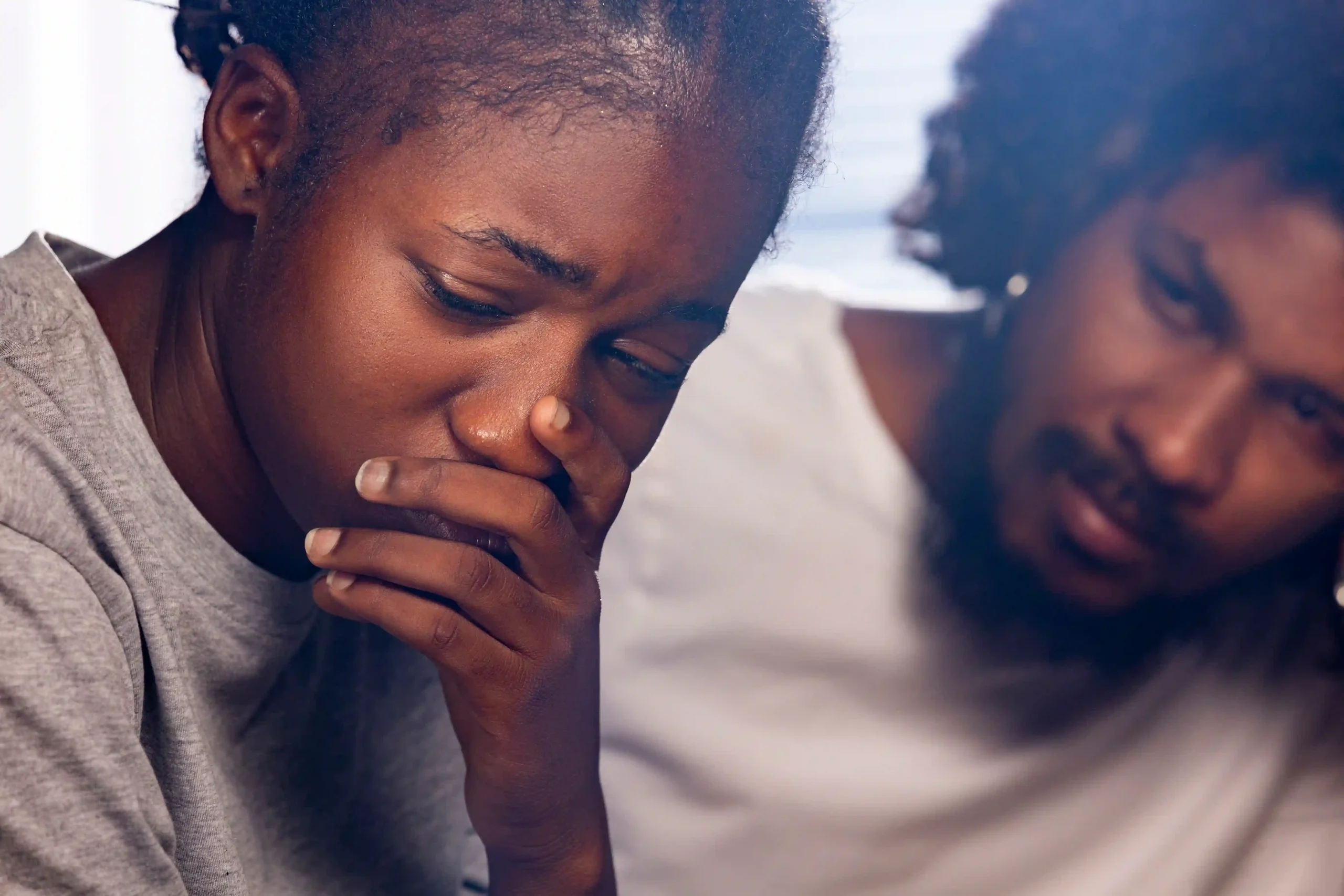
In the past few decades, DOMESTIC VIOLENCE has garnered increasing attention as a serious human rights violation and a critical public health issue. While it is a global menace, its manifestation in Nigeria presents peculiar legal, cultural, and systemic challenges. DOMESTIC VIOLENCE, simply put, refers to abusive behavior in any relationship that is used by one partner to gain or maintain control over another intimate partner. It may be physical, sexual, emotional, economic, or psychological in nature.
Despite the constitutional guarantee of fundamental rights, many Nigerian victims—mostly women and children—continue to suffer IN SILENCE due to SOCIO-CULTURAL PRESSURES, LEGAL AMBIGUITIES, and INADEQUATE ENFORCEMENT MECHANISMS.

Nigeria’s legal response to domestic violence is fragmented. The legal instruments include:
Section 19: Prohibits spousal battery.
Section 23: Prohibits emotional, verbal, and psychological abuse.
Section 24: Prohibits harmful traditional practices.
However, a major limitation is that the VAPP ACT ONLY APPLIES IN THE FEDERAL CAPITAL TERRITORY (ABUJA) unless domesticated by individual states. As of now, not all states have passed their own versions of the Act.
NOTABLE CASE LAW ON DOMESTIC VIOLENCE
DOMESTIC VIOLENCE IN NIGERIA: A LEGAL AND SOCIO-CULTURAL EXPLORATION
In the past few decades, DOMESTIC VIOLENCE has garnered increasing attention as a serious human rights violation and a critical public health issue. While it is a global menace, its manifestation in Nigeria presents peculiar legal, cultural, and systemic challenges. DOMESTIC VIOLENCE, simply put, refers to abusive behavior in any relationship that is used by one partner to gain or maintain control over another intimate partner. It may be physical, sexual, emotional, economic, or psychological in nature.
Despite the constitutional guarantee of fundamental rights, many Nigerian victims—mostly women and children—continue to suffer IN SILENCE due to SOCIO-CULTURAL PRESSURES, LEGAL AMBIGUITIES, and INADEQUATE ENFORCEMENT MECHANISMS.
THE LEGAL FRAMEWORK ON DOMESTIC VIOLENCE IN NIGERIA
Nigeria’s legal response to domestic violence is fragmented. The legal instruments include:
1. THE 1999 CONSTITUTION OF THE FEDERAL REPUBLIC OF NIGERIA (AS AMENDED):
Section 34(1) guarantees the RIGHT TO DIGNITY OF THE HUMAN PERSON, prohibiting torture, inhuman
SOCIO-CULTURAL DIMENSIONS OF DOMESTIC VIOLENCE
In Nigeria, DOMESTIC VIOLENCE is often trivialized or normalized due to patriarchal norms, religious misinterpretations, and traditional customs. In many communities, victims are pressured to endure abuse in the name of “MAINTAINING FAMILY HONOUR”, while abusers are shielded from consequences.
BRIDE PRICE REFUND EXPECTATION, FEAR OF STIGMATIZATION, and ECONOMIC DEPENDENCE are factors that deter victims from speaking out or seeking justice. Clerics, family elders, and community heads often advise victims to be “patient,” thereby sustaining cycles of abuse.
THE ROLE OF LAW ENFORCEMENT AND THE JUDICIARY
One of the greatest impediments to justice for victims of DOMESTIC VIOLENCE is the INEFFECTIVE RESPONSE BY LAW ENFORCEMENT AGENCIES. Victims often report that police officers trivialize their complaints, ask them to “settle it at home,” or request bribes before taking action.
Also, LACK OF SPECIALIZED FAMILY COURTS, INADEQUATE SHELTER FACILITIES, and PROCEDURAL DELAYS in regular courts contribute to victims’ frustration.
Nevertheless, recent years have seen some progress, such as:
The establishment of GENDER DESKS at police stations.
Increased training for law enforcement on handling GENDER-BASED VIOLENCE.
Civil society interventions and legal aid for indigent victims.
RECOMMENDATIONS FOR A MORE EFFECTIVE LEGAL RESPONSE
1. UNIFORM ADOPTION OF THE VAPP ACT BY ALL STATES:
The VAPP Act must be domesticated across all Nigerian states to ensure nationwide protection.
2. PUBLIC SENSITIZATION:
There is a need for aggressive awareness campaigns through schools, churches, mosques, and media platforms.
3. ESTABLISHMENT OF SPECIALIZED FAMILY COURTS:
These courts should prioritize and expedite cases involving DOMESTIC VIOLENCE.
4. COMPULSORY TRAINING FOR POLICE AND JUDICIAL OFFICERS:
This will ensure gender-sensitive and victim-centered approaches.
5. COLLABORATION WITH CSOs AND NGOS:
Legal frameworks must be supported by shelters, counseling, and rehabilitation centers.
6. STRONGER PUNITIVE MEASURES:
Punishments for offenders must be swift and severe to deter potential abusers.
CONCLUSION
DOMESTIC VIOLENCE IS A SILENT EPIDEMIC, one that hides behind closed doors, cloaked in tradition, silence, and fear. Nigeria must rise to protect its most vulnerable—women, children, and even men—who suffer abuse in private spaces that ought to be safe.
The law must speak loudly and act swiftly. Society must reject the normalization of violence. Religion and culture must never be used to excuse cruelty. DOMESTIC VIOLENCE IS A CRIME, NOT A FAMILY MATTER.
As lawyers, policymakers, activists, and concerned citizens, we must commit to building a nation where NO ONE IS SAFE UNTIL EVERYONE IS SAFE.

Professionalism, Integrity, Excellence, Courtesy, Accountability, Empowerment.
BluePrint Attorneys LP™
Copyright © 2025. All rights reserved.