
Chukwuebuka. Promise Benneth, Esq.
June 24, 2025

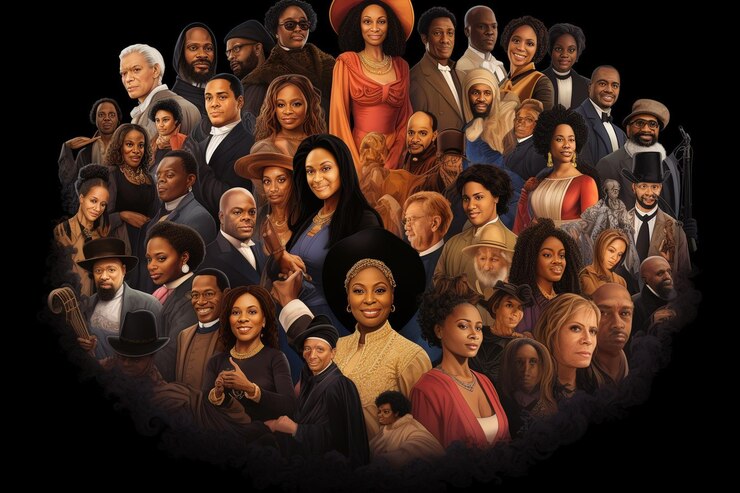
In every constitutional democracy, the EQUAL PROTECTION RIGHT stands as a pillar of fairness, equity, and justice. It is the legal and moral compass that guides a state’s treatment of its citizens, ensuring that all persons are TREATED EQUALLY BEFORE THE LAW, irrespective of their status, gender, ethnicity, religion, or political affiliation.
Though the phrase “EQUAL PROTECTION” is not used verbatim in the 1999 CONSTITUTION OF THE FEDERAL REPUBLIC OF NIGERIA (AS AMENDED), its essence is firmly embedded within several key provisions, particularly SECTION 17(2)(A) and SECTION 42. These sections form the bedrock of Nigeria’s commitment to EQUALITY BEFORE THE LAW and FREEDOM FROM DISCRIMINATION.
I. CONSTITUTIONAL FRAMEWORK
A. SECTION 17(2)(A): SOCIAL ORDER AND EQUALITY
SECTION 17(2)(A) provides that:
> “Every citizen shall have equality of rights, obligations and opportunities before the law.”
This section, found in CHAPTER II (which outlines the FUNDAMENTAL OBJECTIVES AND DIRECTIVE PRINCIPLES OF STATE POLICY), sets the tone for governance and legal interpretation. Though non-justiciable on its own (as per SECTION 6(6)(C)), it serves as an interpretative aid and moral directive.
B. SECTION 42: PROHIBITION OF DISCRIMINATION
SECTION 42 of the Constitution provides enforceable rights. It states:
> “A citizen of Nigeria of a particular community, ethnic group, place of origin, sex, religion or political opinion shall not, by reason only that he is such a person—
(a) be subjected either expressly by, or in the practical application of, any law in force in Nigeria or any executive or administrative action of the government, to disabilities or restrictions to which citizens of Nigeria of other communities, ethnic groups, places of origin, sex, religions or political opinions are not made subject…”
This provision is JUSTICIABLE and forms the legal basis for challenging any DISCRIMINATORY LAW OR GOVERNMENTAL ACTION.
II. JUDICIAL INTERPRETATION AND CASE LAW
Over the years, the NIGERIAN JUDICIARY has given life and breath to the principle of EQUAL PROTECTION through landmark decisions.
1. MOJEKWU v. MOJEKWU (1997) 7 NWLR (Pt. 512) 283
In this case, the COURT OF APPEAL declared the NNEWI CUSTOMARY LAW RULE—which prevented women from inheriting their father’s property—as REPELLENT TO NATURAL JUSTICE AND GENDER EQUALITY, emphasizing that such discriminatory practices violated SECTION 42 OF THE CONSTITUTION.
Justice Niki Tobi, JCA (as he then was), declared:
> “Any culture that discriminates against women is an anachronism. It belongs to the museum. It should not be allowed to feature in our laws.”
This decision reinforced that CUSTOMARY LAW must yield to CONSTITUTIONAL GUARANTEES of equality.
2. ATTORNEY-GENERAL, LAGOS STATE v. EKO HOTELS LTD (2018) 36 WRN 67 (SC)
Though primarily on taxation, the SUPREME COURT reiterated the importance of EQUAL TREATMENT UNDER THE LAW, warning that states cannot create TAX LAWS OR RULES that unfairly target particular persons or corporations without reasonable justification.
3. UZOUKWU v. EZEONU II (1991) 6 NWLR (Pt. 200) 708
This case stands as a DEFINITIVE AUTHORITY on the nature of FUNDAMENTAL RIGHTS in Nigeria. The COURT OF APPEAL expounded that EQUALITY BEFORE THE LAW involves both SUBSTANTIVE and PROCEDURAL EQUALITY, and that any discriminatory practice, whether under CUSTOMARY, STATUTORY, OR ADMINISTRATIVE LAW, must be struck down.
III. FORMS OF DISCRIMINATION CHALLENGED UNDER THE EQUAL PROTECTION CLAUSE
A. GENDER DISCRIMINATION
Gender-based inequalities—especially those embedded in CUSTOMARY INHERITANCE RULES—have been declared UNCONSTITUTIONAL in numerous cases, including:
UKEJE v. UKEJE (2014) 11 NWLR (Pt. 1418) 384 (SC), where the SUPREME COURT invalidated the IGBO CUSTOMARY LAW prohibiting female children from inheriting their father’s estate.
B. ETHNIC AND REGIONAL DISCRIMINATION
Discrimination on the grounds of PLACE OF ORIGIN is prohibited under SECTION 42(1). This includes policies that favor “indigenes” over “non-indigenes” for EMPLOYMENT, SCHOOL ADMISSION, or GOVERNMENT SCHOLARSHIPS.
C. RELIGIOUS DISCRIMINATION
Policies that prefer or disfavor individuals based on their RELIGIOUS BELIEFS are also unconstitutional. The courts have consistently struck down such measures.
IV. JUSTICIABILITY, LIMITATIONS, AND THE WAY FORWARD
While SECTION 42 is justiciable, SECTION 17 remains part of the DIRECTIVE PRINCIPLES, and courts often face challenges in ENFORCING NON-DISCRIMINATORY GOVERNANCE where the law is silent.
Moreover, EQUAL PROTECTION DOES NOT MEAN IDENTICAL TREATMENT. The courts recognize that REASONABLE CLASSIFICATIONS may exist, provided they are not arbitrary and serve A LEGITIMATE GOVERNMENTAL INTEREST.
Judicial Standard of Review:
STRICT SCRUTINY: Applied in cases involving FUNDAMENTAL RIGHTS or SUSPECT CLASSIFICATIONS (e.g., race, gender).
INTERMEDIATE SCRUTINY: Applied to quasi-suspect classifications.
RATIONAL BASIS REVIEW: Used when no fundamental right is implicated.
Unfortunately, these frameworks are not always clearly developed in Nigerian jurisprudence, necessitating deeper LEGAL ADVOCACY and ACADEMIC CLARITY.
V. CONCLUSION
The EQUAL PROTECTION RIGHT is a CONSTITUTIONAL PROMISE that must not remain an abstraction. It must be the REALITY OF EVERY NIGERIAN’S LIFE, transcending ETHNICITY, GENDER, RELIGION, AND CLASS.
To actualize this, stakeholders—JUDICIARY, LEGISLATORS, CIVIL SOCIETY, AND LEGAL PRACTITIONERS—must work in unison to:
Promote JUDICIAL ENFORCEMENT of anti-discrimination laws.
Repeal or amend discriminatory statutes and customary laws.
Educate citizens on their rights under the Constitution.
Encourage the adoption of AFFIRMATIVE ACTION POLICIES where necessary.
Only then can Nigeria truly fulfill the constitutional vision of “EQUALITY OF RIGHTS, OBLIGATIONS AND OPPORTUNITIES BEFORE THE LAW.”
©Chukwuebuka Promise Benneth, Esq., Partner at Blueprint Attorneys LP.

Professionalism, Integrity, Excellence, Courtesy, Accountability, Empowerment.
BluePrint Attorneys LP™
Copyright © 2025. All rights reserved.